Alex- I enjoyed how she went on to discuss more about the igloos. I could tell she did more research on them rather than just discuss what was said in class.
Becca- I like how she set up her blog and the way she incorporated the pictures. In addition to the nice layout, the post itself contained good information and was easy to read.
Sunday, January 17, 2016

Friday, January 15, 2016
Pre-Historic Period
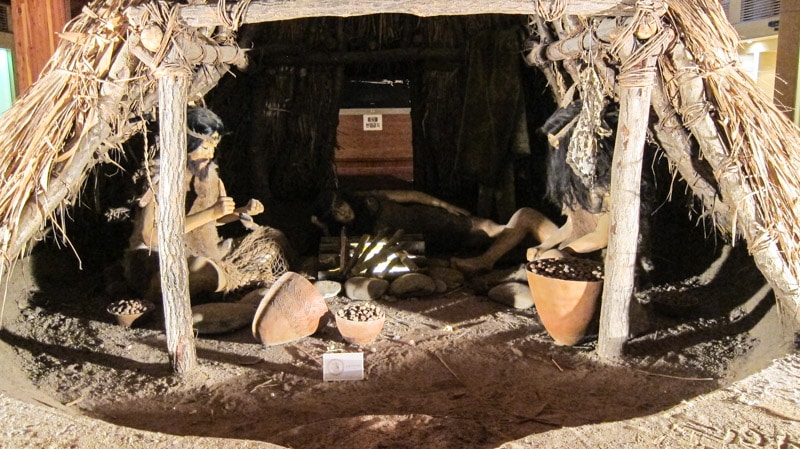
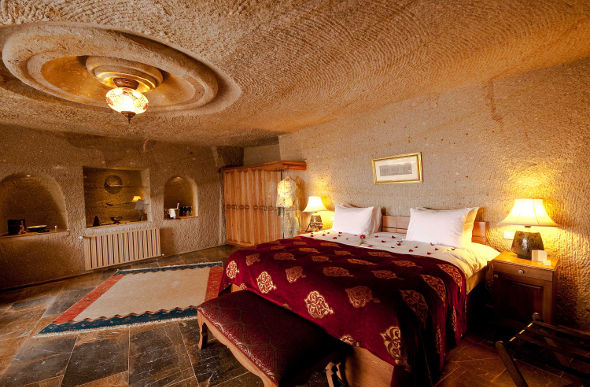
During the prehistoric period, many of the homes constructed were built with the materials found in the natural environment. For example, igloos would be built in Arctic regions, and Matmata underground homes were found in the Sahara Desert. The majority of the shelters that would survive harsh conditions, were those made from durable materials such as stone. Furniture was rarely used during this time, and instead the people were more focused on pattern and design of clothes, rugs, and blankets. They incorporated many colors that had some sort of meaning such as religion or tribal loyalties. Many of the caves found in Laxcaux were the first shelter for humans. One can find over 2,000 figures in these caves, which indicate the earliest example of creating meaning in a space. These figures were a sign of decoration. Finally, Stonehenge, a very popular landmark in Wiltshire England, introduced a new type of construction, post and lintel construction, that can still be seen throughout current designs today.


Past


Present


Extra Credit: https://www.youtube.com/watch?v=FFqqZn0ZUxY
Sunday, November 22, 2015
Peer Reviews
Emma- She did an excellent job at describing the designers and each of their work. I also appreciated the fact that she searched for an extra credit video on one of the designers that we hardly talked about.
Riann- I like how Riann touched upon a little of everything. There was mention of the designers along with a description of their work. In addition Riann mentioned LEED and biophilic design which are a contributing factor to Post Modern design. The pictures also exemplified the period nicely.
Riann- I like how Riann touched upon a little of everything. There was mention of the designers along with a description of their work. In addition Riann mentioned LEED and biophilic design which are a contributing factor to Post Modern design. The pictures also exemplified the period nicely.
Friday, November 20, 2015
Post Modernism
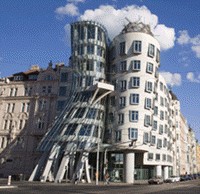
One of the many influential designers of the Post Modern period was Robert Venturi. He thought of simplicity and logic as a cornerstone to modern design. In addition, he embraced decorative ornamentation and historical design concepts. He believed that limitations equaled boredom and dullness. Some of his work includes The Vanna Venturi House located in Chestnut, Philadelphia and the Chippendale chair which was manufactured by Knoll. The New York Five were a group of men who also contributed to the Post Modern design. The New York Five consisted of Michael Graves, Peter Eisenman, Richard Meier, Charles Gwatheney, and John Hejduk. Graves embraced decorative detail, as well as use strong color and form. Eisenman was a deconstructivist meaning that his designs were very fragmented, distorted, and unpredictable. Meier used white throughout his designs in addition to making the structures very geometric. Gwathmey was an architect and educator. Frank Gehry was also and continues to be one of the more famous of the architects and designers. He has made many contributions to the design world and after designing what he liked, rather than designing to please others, he became more confident and created spectacular structures. Some of these structures include the Disney Concert Hall, Guggenhiem Museum, and the wiggle chair. Rem Koolhaas was the one to bridge the gap between high tech and deconstructivist concepts with post modernism. Finally, designs are influenced by the world around us, and there are few today that impact the way designers and architects design buildings. Some design trends and influences we see today are based on geopolitical factors, economical factors, technology, education, and history.


Past


Present


Extra Credit:https://www.youtube.com/watch?v=VMM4yEoJW-E
Sunday, November 15, 2015
Peer Reviews
Rachael- I like how Rachael's blog introduced the structure before showing the picture of the actual place. It was a nice incorporation and was easy to follow along. I also liked how she chose more than one place to visit, and all of them being in different countries.
Amanda M.- I enjoyed reading Amanda's blog. It was short but held my attention. She included very fascinating photos. I also appreciated the fact that the presentation encouraged her to search for more structures.
Amanda M.- I enjoyed reading Amanda's blog. It was short but held my attention. She included very fascinating photos. I also appreciated the fact that the presentation encouraged her to search for more structures.
Saturday, November 14, 2015
Bucket List
This past week we heard about international locations with very unique and different styles. Not only were there apparent differences in their architecture, but there were noticeable differences in their design as well.
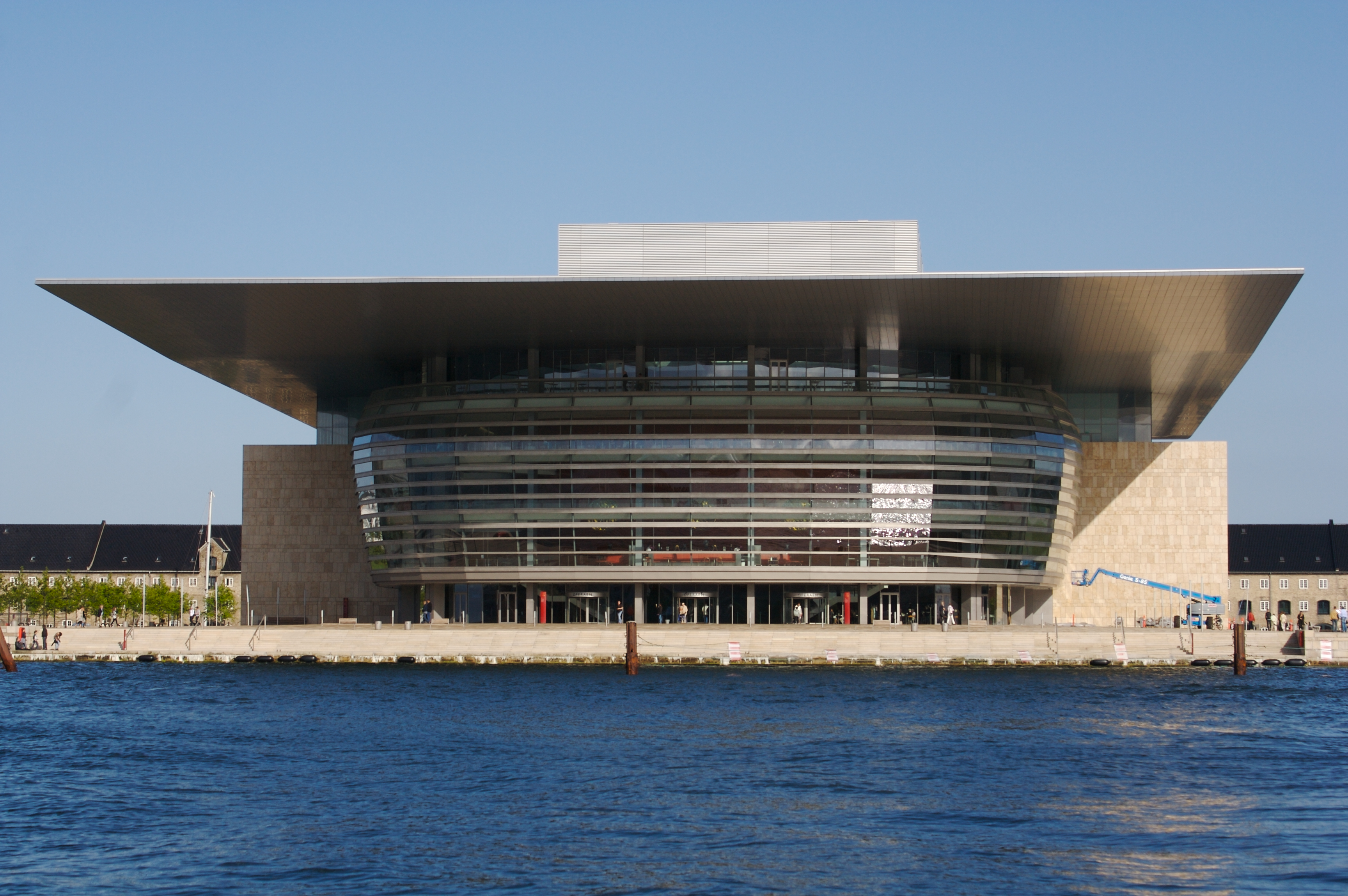
The place that stood out to me the most was the Denmark presentation. I like how they mentioned the fact about how it has the happiest people in the world. Their layout was nice and I like how they labeled their map, as it was easy to read. The first building Alicia, Amanda, and Stephanie described was Blue Planet which is an aquarium. The Blue Planet has water on all side and is intended to give the visitors a feeling of being under water. The building has five "arms" from the center of the aquarium so the guests can choose their own way around the aquarium. Next, they had mentioned Copenhagen Opera House which was built in 2004 and was made with limestone, marble, and 24 caret gold leaf ceiling. Ordrupgaard's most interesting feature was the extension that was added. It features black lava concrete and contrasts well with the original structure. The 8Tallet, which I found to be the most intriguing, was constructed in a figure eight design. It is a housing complex that includes apartments, gardens, and parks. Next, the Danner House which was built in 1875 is built from brick and incorporates arches. The building was influenced by the Spanish Barque design style. Finally, the Musikkens Hus has multiple concert halls made of concrete and glass and was built in 2010.
Blue Planet

Copenhagen Opera House
 Musikkens Hus

8Tallet

Extra Credit: https://www.youtube.com/watch?v=6zOtJkhHgkw
The place that stood out to me the most was the Denmark presentation. I like how they mentioned the fact about how it has the happiest people in the world. Their layout was nice and I like how they labeled their map, as it was easy to read. The first building Alicia, Amanda, and Stephanie described was Blue Planet which is an aquarium. The Blue Planet has water on all side and is intended to give the visitors a feeling of being under water. The building has five "arms" from the center of the aquarium so the guests can choose their own way around the aquarium. Next, they had mentioned Copenhagen Opera House which was built in 2004 and was made with limestone, marble, and 24 caret gold leaf ceiling. Ordrupgaard's most interesting feature was the extension that was added. It features black lava concrete and contrasts well with the original structure. The 8Tallet, which I found to be the most intriguing, was constructed in a figure eight design. It is a housing complex that includes apartments, gardens, and parks. Next, the Danner House which was built in 1875 is built from brick and incorporates arches. The building was influenced by the Spanish Barque design style. Finally, the Musikkens Hus has multiple concert halls made of concrete and glass and was built in 2010.
Blue Planet

Copenhagen Opera House

8Tallet
/47631/8T_Dragor_Luftfoto_1600x900.jpg)
Extra Credit: https://www.youtube.com/watch?v=6zOtJkhHgkw
Sunday, November 8, 2015
Peer Reviews
Scott- I like how Scott listed the characteristics with bullet points. This made it a very easy read, while still pointing out the main characteristics of this period. His pictures also allowed us to get a better understanding of the style of furniture that was popular during this time.
Morgan- I enjoyed how Morgan organized the blog. It was very fluid as well as thorough. I like how there was mention of certain architects and designers with examples of some of their work. The pictures were also great examples of mid century modernist design.
Morgan- I enjoyed how Morgan organized the blog. It was very fluid as well as thorough. I like how there was mention of certain architects and designers with examples of some of their work. The pictures were also great examples of mid century modernist design.
Subscribe to:
Posts (Atom)