Claire- I think she did a good job mentioning all the characteristics that make up Gothic design. I also like how she mentioned the arches and why they were the shape they were and the architecture behind them. Her pictures tied in nicely with her post as well.
Anna- I like how she gave a nice brief overview of the Gothic period as a whole. Her pictures did a nice job at showing the Gothic design and features. Her blog was well organized and easy to understand.
Sunday, February 21, 2016

Thursday, February 18, 2016
Gothic
The Gothic period lasted from 1140-1500. During this time Paris was the center of the Gothic World and city life revolved around the churches. There was competition and unity in the construction of the cathedrals. The Gothic period was also the time were knighthood, chivalry, and artisan guilds were seen. Gothic religion was also important because it expressed heart of design. Wealth and power can be seen throughout the church as well, giving the pope immense power.
As for the architecture, the Gothic period was a bridge that led the Romanesque style to the Renaissance style. Gothic architecture and design derived from Romanesque and has 3 main components to its design, they are the pointed arch; ribbed vault; and flying buttress.
The cathedrals of this time appeared weightless with tall walls and stained glass windows. One major design element that is associated with the Gothic period is the Rose window. It is a stained glass window in a round shape that was an aesthetic part of the cathedrals. Many were very elaborate and the tracery surrounding the windows were just as intricate. Cathedrals were established to express devotion to God and to provide economic drivers. Cathedrals began showing up in other places other than France. 50 years after they popped up in France, England began building cathedrals as well, however they were lower and longer compared to the ones in France. One way this idea was thought to be spread was through tradesmen traveling from country to country, evoking the Gothic style.
Some of the more popular cathedrals that exhibit the Gothic style are St. Denis, Notre Dame at Chartres, Notre Dame at Paris, (French) Wells Cathedral (English) Regensburgh Cathedral (German) Barcelona Cathedral (Spanish) Siena Cathedral (Italian).
There are very few homes still standing that display Gothic features. Most of the information on this subject comes from illuminated manuscripts and tapestries. One of the motifs was the linenfold, and rich colors, materials, and decoration were seen throughout the homes.
Past


Present


Extra Credit: https://www.youtube.com/watch?v=uYhOaQhV6QE
As for the architecture, the Gothic period was a bridge that led the Romanesque style to the Renaissance style. Gothic architecture and design derived from Romanesque and has 3 main components to its design, they are the pointed arch; ribbed vault; and flying buttress.
The cathedrals of this time appeared weightless with tall walls and stained glass windows. One major design element that is associated with the Gothic period is the Rose window. It is a stained glass window in a round shape that was an aesthetic part of the cathedrals. Many were very elaborate and the tracery surrounding the windows were just as intricate. Cathedrals were established to express devotion to God and to provide economic drivers. Cathedrals began showing up in other places other than France. 50 years after they popped up in France, England began building cathedrals as well, however they were lower and longer compared to the ones in France. One way this idea was thought to be spread was through tradesmen traveling from country to country, evoking the Gothic style.
Some of the more popular cathedrals that exhibit the Gothic style are St. Denis, Notre Dame at Chartres, Notre Dame at Paris, (French) Wells Cathedral (English) Regensburgh Cathedral (German) Barcelona Cathedral (Spanish) Siena Cathedral (Italian).
There are very few homes still standing that display Gothic features. Most of the information on this subject comes from illuminated manuscripts and tapestries. One of the motifs was the linenfold, and rich colors, materials, and decoration were seen throughout the homes.
Past


Present


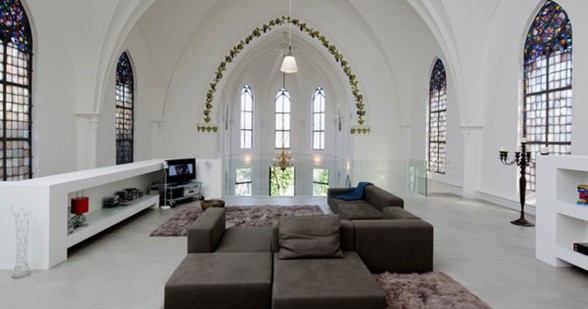
Extra Credit: https://www.youtube.com/watch?v=uYhOaQhV6QE
Sunday, February 14, 2016
Peer Reviews: Islamic
Krista- I like how she focused on the Taj Mahal and went into more detail about it. I liked reading and learning more about the structure and the background information on Shah Jahan, his wife, and family. The pictures she chose were also unique yet fitting to the topic of Islamic design.
Erin K- I like how she touched upon every building and structure we discussed in class. She used many descriptive words which helped me to visualize the spaces even better. Her content was very organized as well and was easy to follow along.
Erin K- I like how she touched upon every building and structure we discussed in class. She used many descriptive words which helped me to visualize the spaces even better. Her content was very organized as well and was easy to follow along.
Peer Reviews: Romanesque
Kiera- I liked how her blog was to the point. There wasn't an overflow of information which made it an easy read. I like how she covered all the main points of the Romanesque design and style while still keeping it brief.
Scott- I like how he made a list of the Romanesque features. This helped me to focus on what this period was all about in regards to their design and architecture. I also liked how he incorporated the pictures into his post.
Scott- I like how he made a list of the Romanesque features. This helped me to focus on what this period was all about in regards to their design and architecture. I also liked how he incorporated the pictures into his post.
Saturday, February 13, 2016
Islamic
Mohammad is the main figure-head of the Islamic Religion. He lived from 570-632 CE. Islamic religion was the foundation of Islamic design and there was a great variety in their designs in accordance to the region. Mosques were the central facility for prayer and worship. Mohammad's farm was the first mosque and was a prototype for the future mosques. Some features of the mosque were covered halls of columns, a courtyard, and a perimeter wall. It served as a place of prayer where worshipers would come in and pray to God on their knees, all while facing Mecca.
One of the prayer halls was the Great Mosque of Kairouan, built some time between 820-836 CE. It contained classic capitols with Islamic arches, including a horseshoe arch. It was the most famous ancient mosque in Tunisia, North Africa. Other examples of mosques were that of Persian architecture, including ones from Istanbul, Turkey, and Constantinople. The mosque of Sultan Ahmed, also known as the blue mosque, was built between 1609-1617. It consisted of one main dome, six minarets, and eight secondary domes. The patterns found in the architecture were a result of patterns that originated in textiles such as carpets. In addition, there are over 20,000 hand made tiles in the mosque and over 50 tulip designs. It is also made up of 200 stained glass windows and geometric decoration.
Indian architecture was very elaborate as well and one excellent example of their grand and ornate designs can be seen in the Taj Mahal. It was ordered to be built by Mughal Emperor Shah Jahanupon the death of his wife, Mumtaz Mahal. The white, domed, marble moswas built from 1632-1648 CE. The Taj Mahal was seen as an earthly replica of the house of Mumtaz in paradise.
Alhambra is a large palace and fortress complex built in 1250-1360 CE in Granda, Spain. It was built by Ibn Ahmar and incorporates an arabesque design which is seen through the Acanthus leafs and vines. The most notable feature of the Alhambra are the muquarnas-filled arches and domes found throughout the palace.
Past
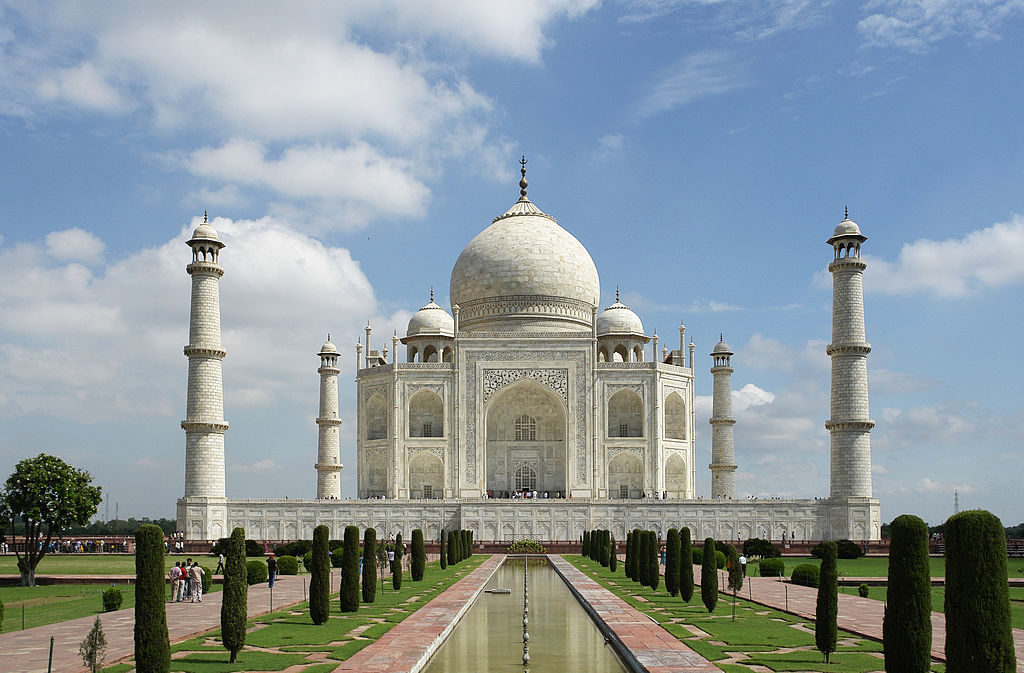


Present


Extra Credit: https://www.youtube.com/watch?v=WdzTuMbH2LM
Romanesque
The Romanesque period was ruled by Charles the Great in 800 AD. This was a time where learning and the arts were encouraged, schools and monasteries were established, Roman literature was copied and preserved, and finally, building was encouraged through the use of technology of Roman structures.
Little architecture was built before 1000 AD, however, a minimum of 1,587 churches were built between 1000-1100. In addition, the religious movement was also strong during this time and they initiated pilgrimages to Christian shrines.
Some of typical and reoccurring features of Romanesque Churches were semicircular arches and vaults; the nave, transept, and apse were modified for a better space; a side chapel was added in the transept; and they were influenced by the early Christian Basilica. A choir was also added, as well as including multiple aisles and vaulting. The space was created to be larger to hold more worshipers and better lighting was provided. The roofs of the churches were masonry, not wood, they had rich tapestries hung around, gilded sculptures, and the walls were painted in rich greens, blues, purples, and golds.
St. Bernard established a monastery at Fontenay in 1118. It produced goods such as wool and iron. It had an overall austere appearance, and there were blank walls above the slightly pointed nave arcades. It is a great example of religious and economic force.
The Pisa Baptistery in Pisa, Italy includes 3 free standing buildings, a cross shaped cathedral, a cylindrical baptistery, a tall Canpanile, and was made of local marble.
A lot of the Romanesque ornament is stone carvings. The believed in rewards of virtue and punishment of vice. Furthermore, they show Christ draped in swirled clothing, extending his hands to the various people groups of the world.
Finally, Romanesque residential design was drafty, wet, and dark. There was a center fire in the great hall, and many homes were made from wood, brick, mud, twigs, and contained dirt floors.
Past

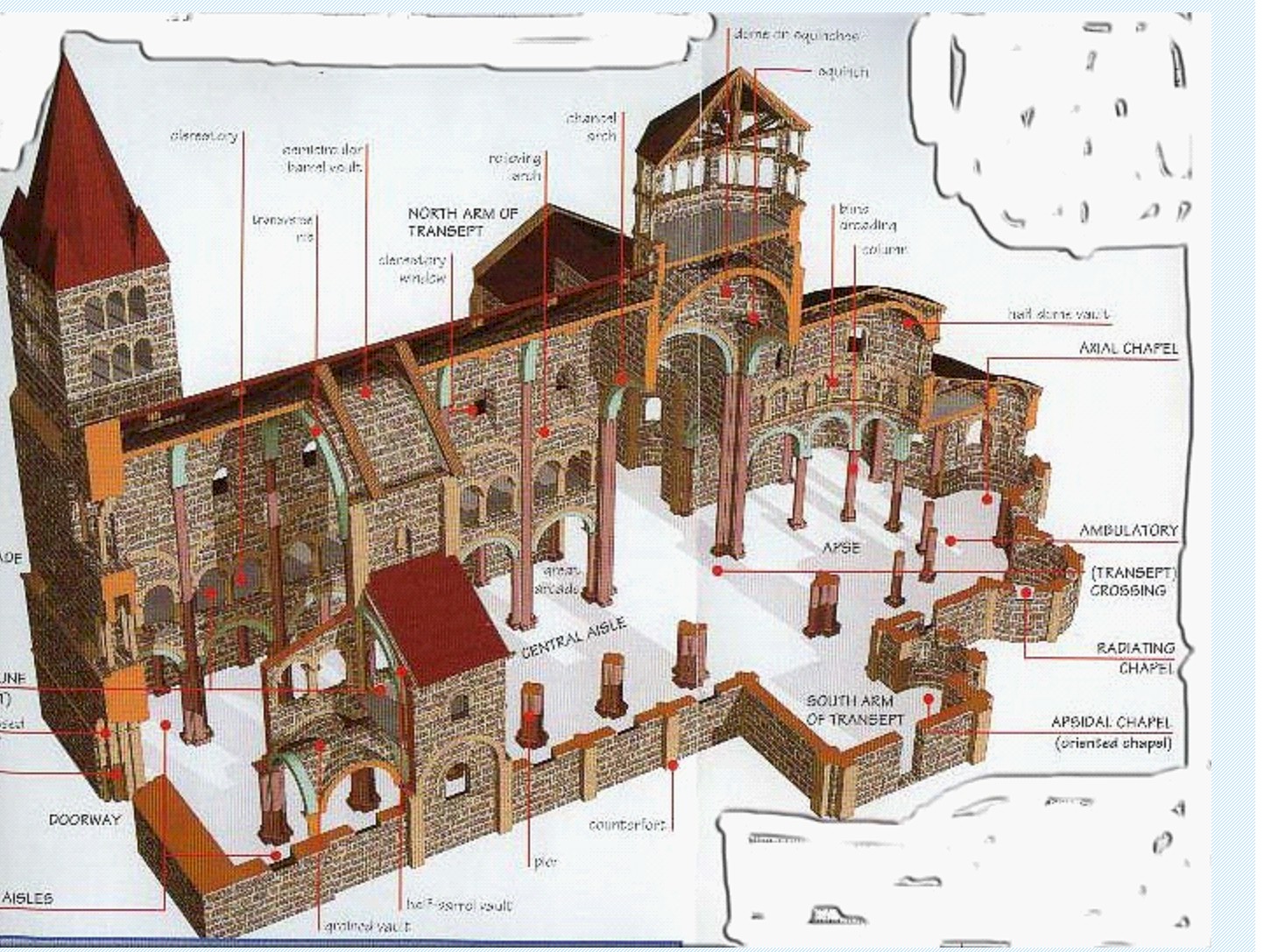

Present

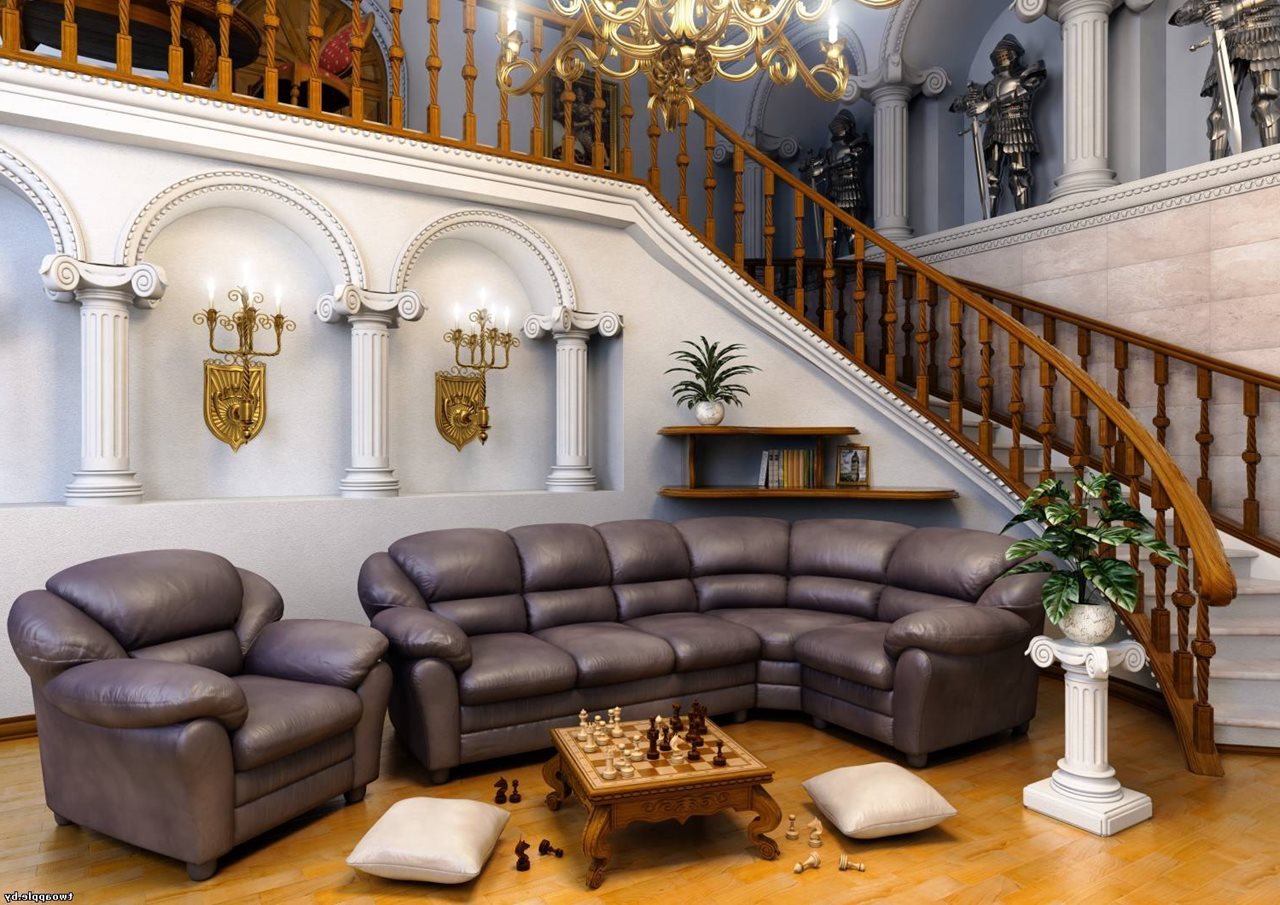

Extra Credit: https://www.youtube.com/watch?v=grz69X4sZLQ
Sunday, February 7, 2016
Peer Reviews: Byzantine
Angie- Her blog was very informing and nicely laid out. It was well organized which made it easy to follow.
Rachael- Her blog helped me to understand this period a bit more. She covered all the main points of this time and her blog was well written.
Rachael- Her blog helped me to understand this period a bit more. She covered all the main points of this time and her blog was well written.
Subscribe to:
Posts (Atom)